
How Retiring the Penny Will Change Retail Pricing Psychology in America

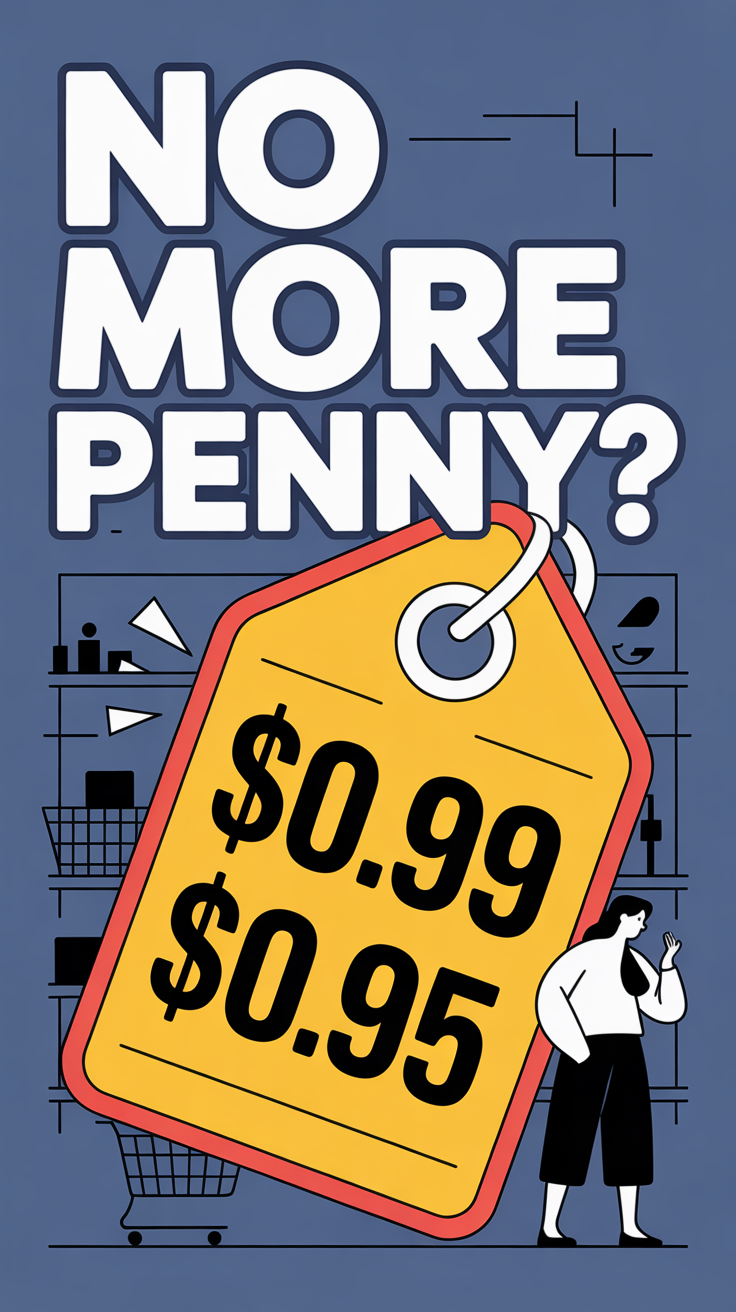
The U.S. is officially laying the penny to rest—something economists have suggested for decades. But beyond the debates about cost and convenience, one question rises far above the rest:
How will removing the penny change the way retailers use psychological pricing to influence buying decisions?
Surprisingly, the impact is bigger than most consumers realize. For years, sellers have used endings like .97, .98, and .99 to make products appear cheaper. This pricing trick has been baked into American shopping culture. But as we move into a penny-free economy, charm pricing enters a new era.
In this article, we’ll explore what changes, what stays the same, and how retailers will adapt.
Why Penny Removal Matters for Pricing Psychology
Charm pricing works because of a phenomenon called left-digit bias. Our brains fixate on the first number we see:
- $4.99 feels significantly lower than $5
- $19.97 looks “on sale” compared to $20
With the penny gone, those endings no longer work cleanly in cash transactions. That forces retailers to refine their strategies.
The New “Magic Numbers” in Pricing
Countries like Canada and Australia already retired their smallest coins, and their data tells us exactly what to expect.
1. .95 Becomes the New Champ
Since .97 and .99 no longer work for rounding, .95 becomes the closest psychological equivalent. Expect lots of:
- $7.95
- $19.95
- $49.95
It still feels “just under,” but it matches the rounding rules.
2. .90 and .85 Become Popular Value Signals
Brands that want to emphasize “deal” or “discount” will drop slightly lower:
- $5.90
- $12.85
These endings convey savings and align with five-cent rounding.
3. Premium Brands Go All-In on Whole Numbers
Whole-dollar pricing signals:
- confidence
- quality
- transparency
You’ll see more clean prices like:
- $30
- $50
- $120
This trend has already started—even before the penny disappears.
Digital Prices Won’t Change
Because online transactions don’t require rounding, e-commerce can—and will—keep using .99 or .97.
This creates a split:
Online:
$14.97 $29.99
In-store (cash):
$14.95 or $15.00 $29.95 or $30.00
Retailers may use this strategically to encourage digital checkout or mobile payments.
How Consumers Will Adapt
Human psychology adapts quickly. Research from penny-free countries shows:
- Any confusion fades within weeks
- New endings start feeling “normal”
- People rely more on overall value, not penny-level precision
That means bundles, family deals, and multi-item pricing will become even more influential.
Where Pricing Is Headed Next
Penny or no penny, psychological pricing isn’t going anywhere. It’s simply evolving.
Here’s the new landscape:
- .95 = charm pricing
- .90 = value pricing
- whole numbers = premium branding
- bundles = clearer savings
For retailers, this is a chance to simplify and modernize. For consumers, it means cleaner price tags and fewer mental gymnastics.
Final Takeaway
Retiring the penny isn’t just a financial decision—it’s a psychological one. It reshapes how value is communicated and how shoppers respond emotionally to pricing cues.
And as always, consumers will adjust, retailers will innovate, and pricing psychology will continue to evolve.